24/7 Emergency Service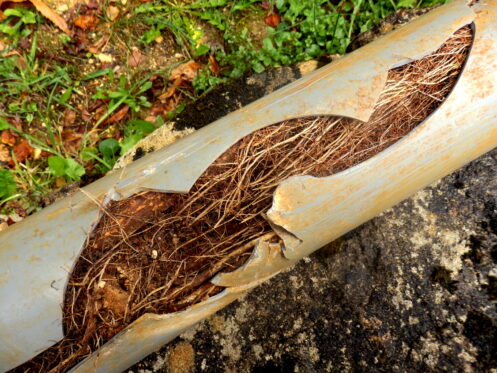
A sewer backup occurs when there is a problem with your drain or sewer system, resulting in wastewater and raw sewage backing up into one or more of your drains. Backups are an extremely serious problem for several reasons. One reason is that a major backup can flood a large area, damaging flooring, baseboards, and furniture. Another significant concern is that the sewage coming out of the drains may contain dangerous pathogens that could make you seriously ill. That’s why you need to take proper precautions when cleaning up after a backup, which includes wearing gloves, a mask, and protective eyewear.
While not all backups can be prevented, most of their causes can be addressed by taking certain steps or precautions. In this article, we will explain the kinds of issues that can lead to a sewer backup, so you know how to reduce the chances of such incidents occurring.
Sewer Line Clogs
Sewer backups most commonly occur due to a clog in the building’s main sewer line. As long as your sewer line is installed correctly, in good condition, and has the proper slope, you typically only need to worry about it getting clogged if you’re not careful about how you use your plumbing. Being careless means washing and flushing solid items that should be discarded in the trash instead.
One thing that’s almost certain to lead to your sewer line eventually clogging and backing up is regularly pouring or washing fat, oil, or grease down the kitchen sink. All of these substances are hydrophobic, meaning they repel water and float on top of it. This often results in the fat, oil, or grease being left behind and remaining stuck inside the drainpipe or sewer line. Over time, these substances create a thick, sticky coating inside the pipe that can prevent waste, toilet paper, and other items from draining properly or cause them to get stuck. This eventually leads to a large blockage forming that’s made up of fat, grease, and solid materials, which plumbers lovingly refer to as a “fatberg.”
Flushing items other than waste and toilet paper down the toilet also creates a high risk of clogging and backing up your sewer line. Things you especially want to avoid flushing include any type of feminine hygiene products, cotton pads, paper towels, wet wipes, and cat litter.
One issue with most cotton and paper products is that they remain intact when flushed, which often prevents the water from carrying them all the way out of the sewer line. Cotton pads and feminine hygiene products also absorb large amounts of water, which can cause them to swell and potentially create an obstruction that prevents other items from draining.
Even wipes and other similar products that claim to be flushable aren’t actually safe to flush down the toilet. The term “flushable” really just means that they shouldn’t clog your toilet, but it doesn’t mean they’ll break up and get washed out of your sewer line.
Tree Root Intrusion
One issue plumbers frequently encounter with older homes or houses with larger trees in the yard is roots growing inside the sewer line. Tiny roots can easily enter a sewer line through any gap in the joints or fittings that connect the different sections of pipes. Larger roots can also exert so much force as they grow outward that they puncture the sewer line. Once roots gain access to a sewer line, they quickly start growing much larger and spreading out due to the water and waste that flows through the line, providing them with extra nourishment. The roots eventually clog the line because toilet paper, food scraps, and other debris get trapped in them.
If you already have an older, large tree in your yard, there may not be much you can do to prevent roots from potentially getting into your sewer line. However, certain types of soil treatments can discourage roots from growing in the area around your sewer line. There are also special barriers you can put around a sewer line to block it off and keep tree roots out, but this requires digging up the line. As such, it’s a cost-effective option only when replacing the sewer line.
When landscaping a yard, it’s recommended to never plant trees, bushes, or shrubs within 10 to 20 feet of the sewer line. However, some trees have incredibly invasive root systems that can extend 50 to 100 feet. That’s why you also want to be careful about what you plant and try to choose options with shallower, less invasive root systems.
Sewer Line Damage
Sewer lines can also crack, break, or collapse due to issues such as corrosion, ground shifting, or simply due to age. Not only will a damaged sewer line almost always result in constant backups, but it also leads to sewage leaking out into your yard. Soil shifting and settling can also cause part of the sewer line to sag, creating a belly that prevents things from draining properly and increases the chances of the line clogging.
The risk of damage is obviously higher if your sewer line is much older. This is especially true if your house has a clay or cast iron sewer line, as these types of pipes can become incredibly weak and brittle over time.
The best way to avoid potential damage to your sewer line is to schedule regular inspections to ensure everything is still in good shape. Plumbing companies use a special type of camera that allows them to visually inspect sewer lines from the inside, making it easy to spot damage or any potential problems.
Signs Your Sewer May Soon Start Backing Up
Other than if your sewer line suddenly breaks or collapses, you’ll usually be able to tell there’s an issue with it before it starts to back up. Whether due to an obstruction or tree roots, major sewer backups rarely just occur suddenly. Instead, you usually start experiencing certain plumbing issues beforehand.
Some of the most common signs of sewer issues include slow drains and toilets, incomplete flushing, and gurgling or gurgling noises coming from drains and toilets. A sewage smell coming from most or all of your plumbing fixtures is another good indication that your sewer may soon start backing up. If you notice any of these issues, it’s essential that you have a professional clean and inspect your sewer line as soon as possible. That way, you can hopefully avoid a backup and the mess that comes with it.
If you start experiencing sewer backups or other issues with your home’s plumbing, drain, and sewer system, you can rely on MVP Air Conditioning, Heating, Plumbing & Electric for expert assistance. We’re proud to be one of Kansas City’s most trusted plumbing services and are always ready to help you in any way we can. We’re also available 24/7 for any emergencies, so you never have to wait for the issue to be fixed. For more information or to schedule a service appointment, contact us today.

 Business Hours
 Quicklinks