
 24/7 Emergency Service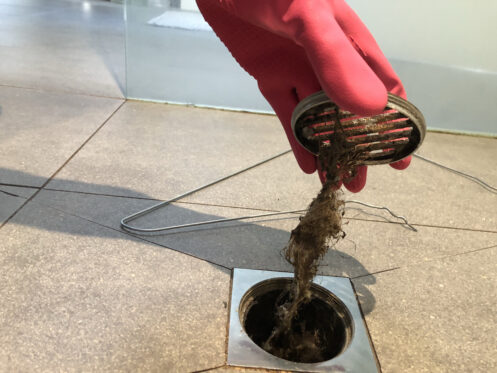
When your drains slow down or stop altogether, it can cause a major disruption in your daily routine. Sometimes a plunger will solve the issue quickly. But not all clogs are the same, and neither are the fixes. Understanding the difference between drain clearing and drain cleaning helps you avoid quick-fix traps and costly repeat calls.
Why Drains Clog in the First Place
If your shower or sink backs up, your first thought might be to use a plunger or a drain cleaner. That works in some cases, but not when buildup has taken hold deeper in the system. Grease, food scraps, hair, soap scum, and mineral buildup don’t always stay in one spot. They collect in layers, narrowing the pipe over time until water slows to a trickle or stops moving altogether.
In older homes, tree roots can also sneak into cracked lines and grow inside. You won’t see the blockage, but you’ll see the effects every time your sink drains slowly or your toilet gurgles. Whether the issue is soft buildup or something more stubborn like roots or scale, your next step depends on the severity of the blockage.
Drain Clearing Breaks up Blockages
Drain clearing is the process of physically breaking through a clog to allow water to pass. It’s the fast route for emergency backups. Snakes and augers are the most common tools for clearing because they can quickly open a path for wastewater flow. An auger can drill through a stubborn clog, while a snake can navigate bends and break apart softer obstructions.
However, these tools don’t clean the pipe walls. They just punch through the obstruction to get things flowing again. That’s why it’s often a temporary fix. If grease or scale lines the pipe, water may drain for now, but the leftover debris sticks around and builds back up faster than you expect. Clearing is a useful step when there’s a solid blockage, but it doesn’t mean the problem is gone.
What Makes Drain Cleaning Different
Cleaning a drain involves flushing or scrubbing the entire pipe from the inside. Instead of just breaking a hole in the clog, cleaning removes the buildup along the full length of the line. This helps restore flow and stops repeat clogs from forming in the same spot.
Hydro-jetting is one of the most effective ways to clean, because it uses a high-pressure water stream to blast away buildup, grease, and sometimes even dislodge small tree roots. Larger or more stubborn root intrusions, however, often require mechanical cutting tools and pipe repair to prevent regrowth.
You don’t always need that much power, though. In some cases, a motorized brush or enzymatic treatment can help maintain cleaner lines if the buildup is light. It’s worth noting that enzymatic treatments are best used as preventative maintenance—not as a replacement for professional cleaning when a clog has already formed. Cleaning takes more time than clearing, but it’s a deeper fix.
Why a Quick Fix Might Come Back to Bite You
When a toilet overflows or a sink won’t drain, you want the water gone fast. That’s why clearing is often the first step. It gets you out of an immediate mess, but if you stop there, the same problem could return. Let’s say a clog is caused by years of grease buildup. Snaking it clears a path, but that grease still coats the pipe.
As more debris passes through, it sticks to the leftover layer and starts the clog process all over again. If you’re clearing the same line more than once a year, that’s a red flag. It usually means the buildup is too thick. In this scenario, the best solution is to contact us to have our plumbers perform a thorough cleaning of your plumbing system.
When Clearing Makes More Sense
Not every clog needs a full cleaning. For instance, if your toddler flushed a toy down the toilet, clearing the obstruction may be all that is required. The blockage is solid but not stuck to the walls, so once our plumbers remove it, the pipe is back to normal. Clearing also helps when something gets stuck in a sharp bend or tight trap under the sink.
These are often one-time issues, especially in newer plumbing, where the pipes are still smooth. In many cases, clearing is quicker and less invasive, though tougher blockages may still require specialized tools. So if you’re in a hurry or trying to rule out a minor clog, clearing can be a practical starting point.
When It’s Time to Clean Instead
If water backs up in more than one drain or returns after you’ve cleared it before, it’s probably time for a full cleaning. That’s especially true if you smell foul odors coming from the drains or hear loud gurgling when water runs. These signs point to long-term buildup deeper in the system.
We also recommend annual drain cleaning for many active households. If you cook often, some grease and other debris will inevitably end up going down your drain. This problem is compounded by hair and soap residue from your bathroom drains. A professional cleaning typically targets your main lines and most-used drains, helping restore flow and prevent costly backups before they start.
What a Plumber Looks for First
When our professionals inspect your drain issue, they’re not guessing. They look at the history of the problem, test the drainage pattern, and may use a camera to inspect the inside of the pipe. If the camera shows thick residue on the walls, they’ll recommend cleaning.
If there’s a single blockage in an otherwise clean line, they’ll clear it. Cleaning takes more time and resources, so they’ll make sure it’s the right call before setting up. They’ll also talk you through why they’re recommending one over the other.
Why Clearing and Cleaning Might Be Used Together
Clearing and cleaning often go hand in hand because they solve different parts of the same problem. For example, if grease and food debris form a stubborn clog in a kitchen line, our plumbers might first use a snake to break through the blockage and restore flow. However, grease tends to coat the pipe walls, so they will use hydro-jetting to flush the line clean and wash the debris safely into the main sewer.
How to Avoid Frequent Drain Trouble
Whether you’ve had one clog or many, small changes in how you treat your drains can make a difference. That includes keeping grease, food scraps, coffee grounds, and wet wipes out of the pipes. It also means keeping an eye on slow drains and calling for help before the issue turns into a more expensive problem.
Once buildup starts, it becomes easier for hair, lint, and soap film to create a blockage. If you’re having drain issues, scheduling a cleaning can reset the system and give you a clean slate.
Book Your Drain Service Today
At MVP Air Conditioning, Heating, Plumbing & Electric, we have been serving the residents of Kansas City, MO and the surrounding areas for years. Whether your drains are gurgling, slow, or fully blocked, we can handle the problem. You can also count on us for plumbing and sewer repairs. Contact us today to schedule an appointment with one of our experienced plumbers.

 Business Hours
 Quicklinks